Have you ever entered a website, only to leave a few moments later? For businesses looking to build a website, this is the worst-case scenario: a customer who has a poor experience.
The Evolution of User Experience on Websites
In the Internet’s early days, websites were traditionally focused on aesthetics; however, as website design has developed and search engines have become more intelligent, so to have the foundational values for a ‘good’ website evolved.
Websites are no longer used solely as a source of information – they are instead an integral part of modern-day life. We now rely on websites for entertainment, resources, and socialising; from shopping for a present, to messaging friends, catching up with your latest show and reading the news. With so many websites available, a well-designed website based on user experience is fundamental.
What are the Key Aspects of User Experience?
Professional website design agencies and designers prioritise the experience of the customer, ensuring that it is easy-to-use, enjoyable, and adds value to them.
There are 7 understood key components of UX:
Usability
A website should be easy to navigate and understand. This includes having a clear hierarchy of information, intuitive navigation, and consistent layout
Accessibility
This includes ensuring that the website can be easily used by users with disabilities, such as those with visual, auditory, motor, or cognitive impairments.
Visual Design
A visually appealing design plays a crucial role in the overall UX. It includes the layout, colour scheme, typography, and other visual elements of the website. A visually appealing design can help engage users and make them more likely to stay on the site.
User-Centred Design
This includes gathering insights about the target audience and creating a design that meets their needs.
Content
The content of a website should be well-written, relevant, and useful to the user. It should also be organised and easy to read.
Load Time
A website with a slow load time can be frustrating for users and may result in them leaving the site. It is important to optimise the website for fast loading times to improve the overall UX.
Responsiveness
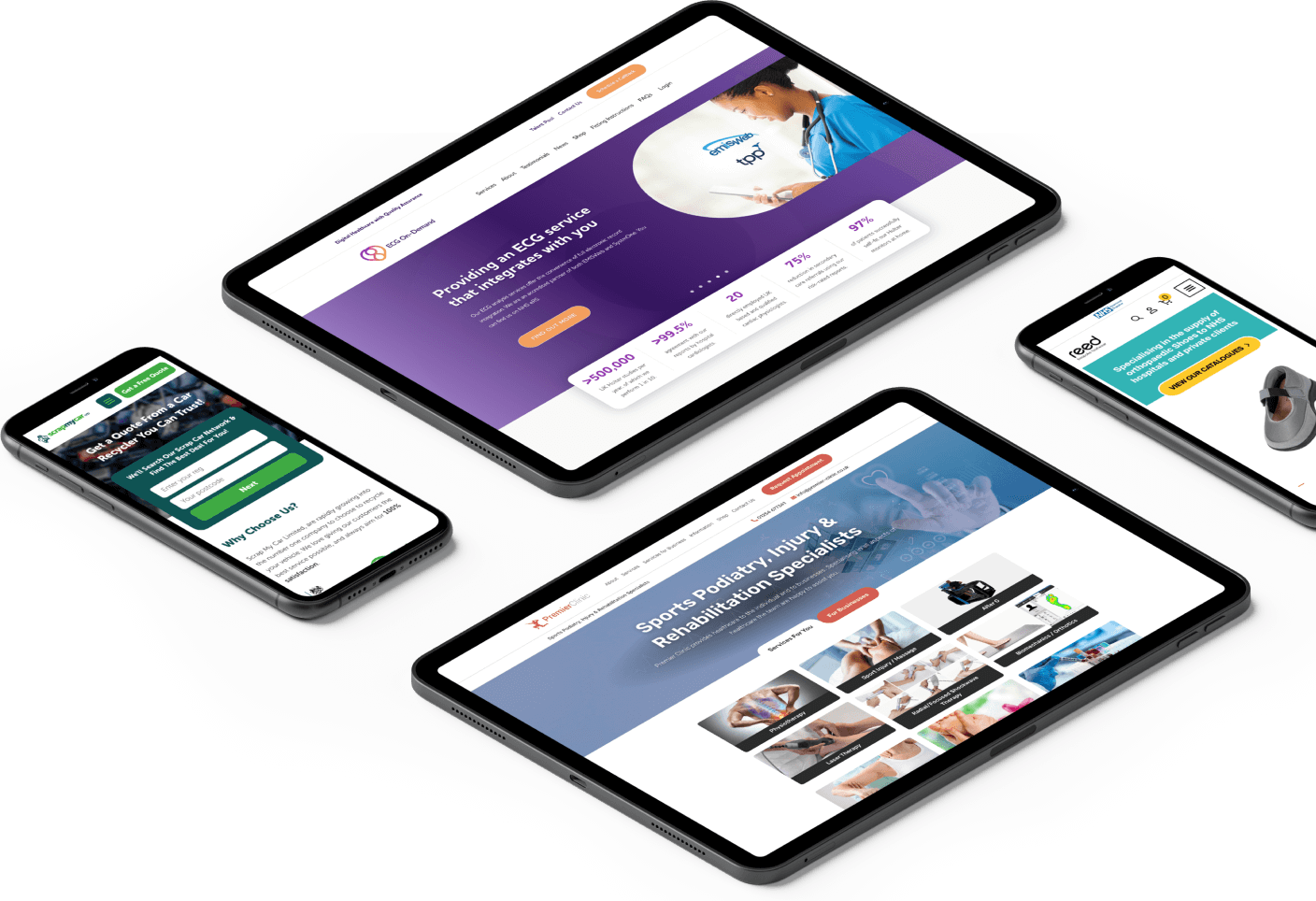
A responsive website is one that is optimised for viewing on different devices, such as desktop computers, tablets, and smartphones. A responsive website ensures that the user has a consistent experience regardless of the device they are using.
Why Our Web Designers Prioritise User Experience
Our web designers are focused on helping you to create the best website. In today’s digital age, competition is fierce, and companies need to do everything they can to stand out. The role of UX in web design is about creating a website that easy-to-use, enjoyable, and has a positive impact on your business.
We recommend using experienced web designers that incorporate user experience into the initial design process. In the long run, this can save your business money. Within this, issues can be identified and addressed before the website goes live, resulting in a more efficient and cost-effective process.
Build a User-Experience Focused Website
Our web team at Media Village specialise in building user-focused websites that you can be proud of. Check out our work for Stonyhurst College, Stonyhurst Enterprises, ECG On-Demand, and LET Education Trust.
Like what you see? Start your partnership with Media Village today.